
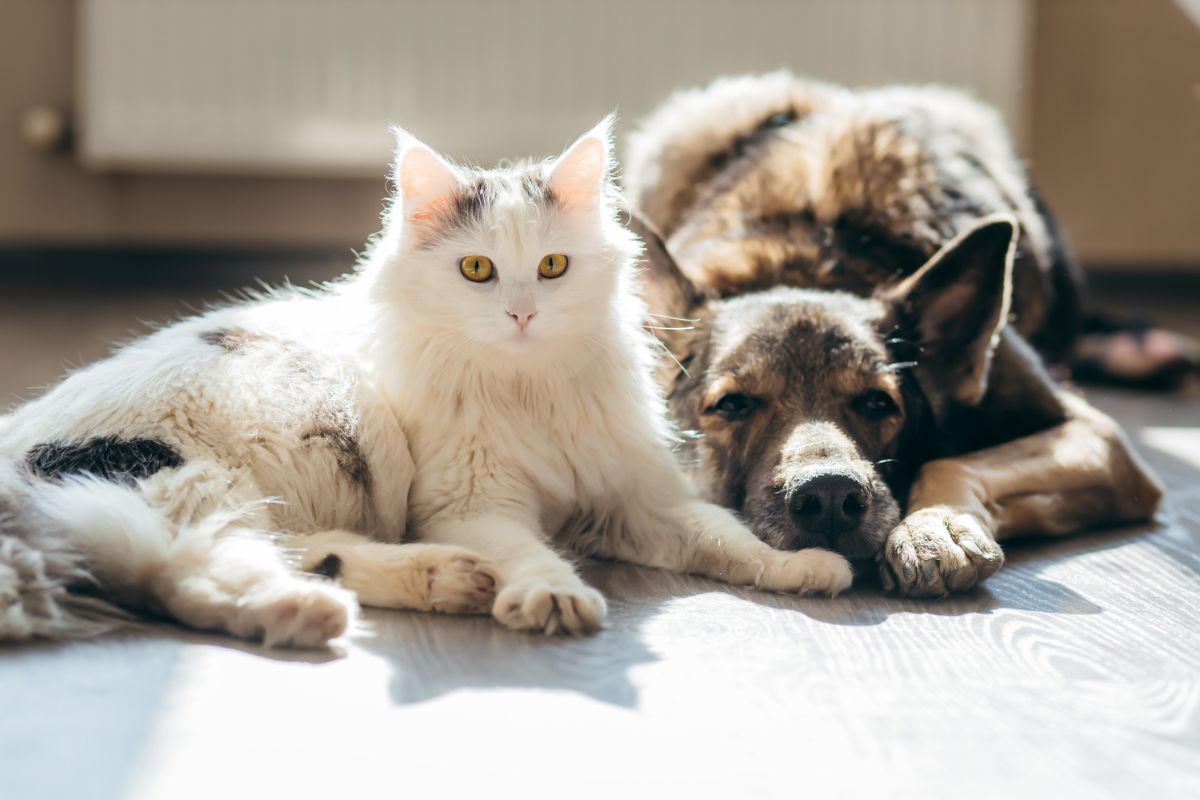
Have you noticed your furry friend slowing down with age? Maybe they’re starting to have trouble climbing the stairs, or just seem less interested in chasing after their favourite toy? The big question on your mind might be, “Could this be arthritis?” Let’s dig into the world of arthritis and find out what you can do to keep your pet feeling their best.
What is arthritis?
Osteoarthritis is the most common form of arthritis and simply means ‘inflammation of the joint’. It’s a degenerative disease that covers a wide range of joint issues, and it’s not exclusive to humans. Our cats and dogs can face it too. In fact, arthritis is one of the most common conditions seen in pets over the age of seven, affection around one in five dogs, and slightly fewer cats1.
White we often associate arthritis with aging, it can actually affect dogs and cats of all ages, sizes and breeds. Congenital issues (things your pet is born with), odd bone shapes, diseases, injuries or being overweight can contribute to joints problems. This can lead to excessive wear and tear on the cartilage lining the joints, causing pain and discomfort.
Common signs of arthritis
Detecting arthritis in pets can be tricky since they’re experts at masking their pain. Look for subtle signs like changes in mobility—perhaps they’re moving more slowly, limping occasionally, or showing a preference for certain legs. Your pet might become less eager to partake in physical activities, have trouble standing up, jumping or lying down, or display changes in behaviour like irritability or discomfort when touched in certain areas. If your pet’s coat starts looking unkempt, that could be another clue.
Many cases of arthritis go undiagnosed because owners assume slowing down is a natural symptom of getting older. If your pet is showing signs of slowing down, it’s best to book an appointment with your vet to determine if pain relief is needed.


Arthritis treatment
Although arthritis can’t be cured, there are effective treatments to manage pain and increase mobility so your pet can continue to live a happy life. Your vet may recommend medication to reduce joint swelling, calm inflammation, repair cartilage and relieve pain.
Your vet may also recommend joint supplements, and dietary changes to help overweight pets lessen stress on their joints. Physical therapy and low-impact exercise to improve mobility and strengthen muscles. Acupuncture or other alternative therapies may also be for pain management and mobility improvements.
Provide comfort at home
What can you do at home to ease your pet’s discomfort? Here are some simple steps:
- Give your pet a comfy, supportive bed that’s raised off cold floors.
- Encourage light to moderate exercise if your pet is up for it. Think gentle walks or swimming.
- Watch their weight. Extra weight can strain those joints, so a diet might make life more enjoyable.
Visit your vet for regular check-ups
If you’re concerned your furry friend is showing signs of slowing down, schedule a visit to your local vet. A thorough check of their medical history and a physical exam can often confirm the diagnosis. Although there’s no cure for arthritis, your vet can create a treatment plan to manage the condition and delay its progression, which can greatly improve your pet’s quality of life.
References:
1 Wright A, Amodie DM, Cernicchiaro N, et al. “Identification of canine osteoarthritis using an owner-reported questionnaire and treatment monitoring using functional mobility tests”. J Small Anim Pract. 2022;63(8):609-618. doi:10.1111/jsap.13500